 Tiếng Việt
  ภาษาไทย


Historical documents suggest that marketing emerged as early as 1500 BCE. This discipline has now evolved into a universal technique to promote products and services. However, back in the time, marketing had undergone various stages before making its way into every aspect of our daily lives. Below is a thorough walkthrough of the evolution of the marketing concept!
The Evolution of Marketing Concept: 5 Stages
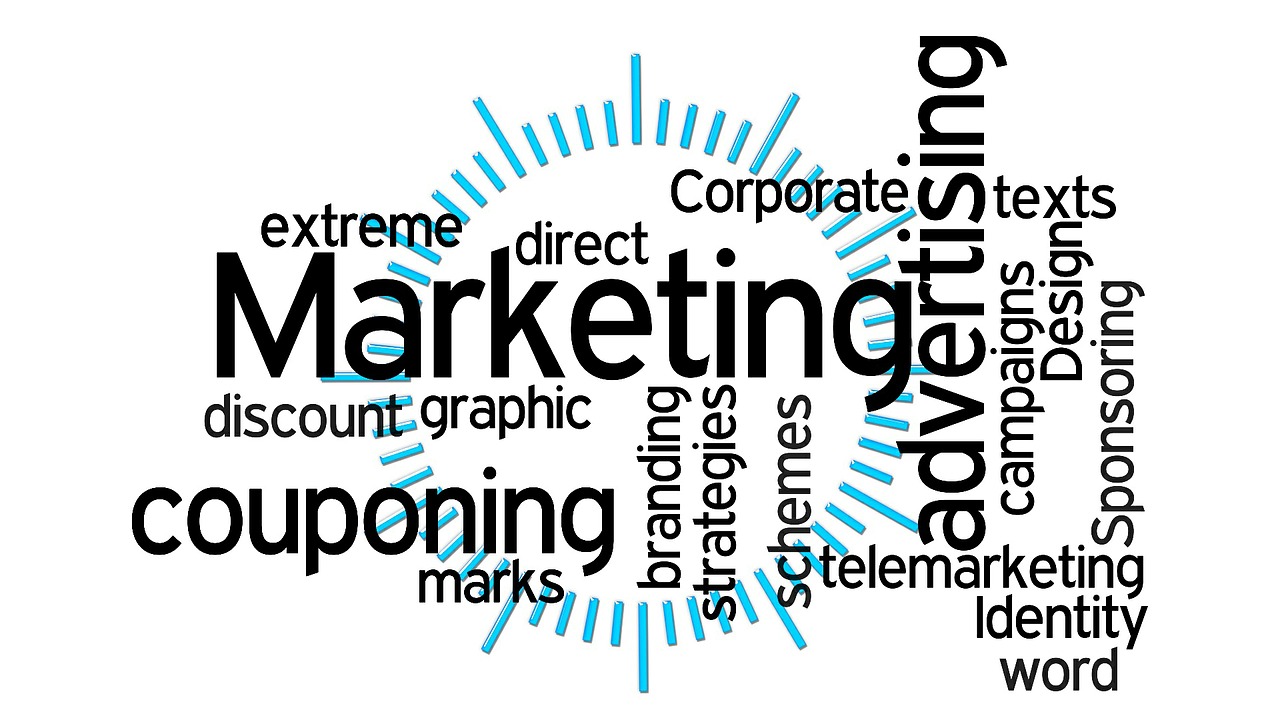
Marketing has evolved through many stages. Source: Needpix
Production Orientation (1800s-1920s)
Initially, mass production was associated with marketing. Businesses assumed that consumers were after cheap and widely available products. Therefore, they prioritized the quantity over the quality of their outpost. This mindset prompted them to amass ingredients and mass-produce their products, thinking that lower prices could drive more sales.
This primitive form of marketing fueled the Industrial Revolution, originated in Britain, and spread worldwide. Ford Motor Company is one of the pioneers in this economic movement. They employed thousands of workers to compensate for the great demand for products.
Henry Ford was a primary advocate for this theory, agreeing that customers needed to be informed about the available products before buying. His famous quote, “If you have a really good thing, it will advertise itself,” is a testament to the company’s marketing strategy, which focuses on price, quality, and standardization. The automaker even stopped its national advertising campaign during the high-demand periods from 1917 to 1923.
However, this production concept led to an excess of basic products, which caused businesses to upgrade their products to distinguish themselves from the competitors. Introducing various features to a single product added up the cost of production significantly. In the late 19th century, the market witnessed a plummet in demand due to extravagant prices. This drawback paved the way for another marketing era to take shape.
Sales Orientation (1920s-1940s)
As more and more businesses entered the scene, mass-produced products also flooded the market. With this came more intense competition among companies, prompting them to prioritize sales over customer satisfaction.
The surplus of goods required companies to run appealing sales promotions to draw more customers. This gave birth to the era of sales orientation, where all businesses leaned towards marketing tactics to sell products instead of advertising about their quality.
Companies believed that leveraging aggressive sales promotion techniques was key to success, and customers didn’t mind if the salesperson called them again and again to persuade them to buy their products.
That was why advertisements on televisions, radios, and prints were ubiquitous at that time. Additionally, it was common for salespeople to go door-to-door to sell their goods.
A prime example of this marketing orientation was Coca-Cola. The brand noticed a drop in sales during the winter months. Instead of ceasing advertisements like Ford used to do, they promoted sales by linking their brand to Santa Claus. In particular, marketers had to create an appealing image of Santa Claus to attract more consumers.
The biggest shortcoming of this orientation is that it only works in short terms. Customers might be persuaded and willing to spend money on the products. However, in the long run, what retained them were the quality and the after-sales service, which were overlooked by most companies.
Companies emphasized sales in this era. Source: Flickr
Marketing Orientation (1940s-1970s)
Not until the 1940s was the real concept of marketing introduced to the market. Businesses had realized that they relied too heavily on sales, and their customer service left a lot to be desired. A new marketing tactic was born, centering around customers to address their issues and satisfy their needs.
The marketing orientation had revolutionized the competition in the market, shifting towards a more customer-centric approach. This method began with identifying and understanding customer needs.
Then, companies would divide their customer base into different segments so they could provide customized products for them. This means businesses had to diversify their product lines, catering to different groups of users.
The marketing era also suggested that every decision in the organization should take customer needs into account, from the product development stage down to the delivery.
Apple was among the companies that adopted this marketing technique, which was evident in their 1984 Super Bowl commercial. What surprised the audience was that the ad didn’t mention any features of Mac, even its image. Their message merely focused on how their adoption of advanced technologies could change consumers’ lives.
Societal Orientation (1970s-Present)
The collision between the short-term needs of customers and long-term social welfare sparked a demand for a new marketing firm. Societal orientation was born in the 1970s as a result of this, and it is still present these days. This concept highlights a business’ social responsibility to make a positive impact on both the customers’ lives and the environment.
Back in the 1960s and 1970s, companies employed unethical practices to promote sales and brand awareness, raising concerns among the public. Despite being highly profitable, these methods took a toll on the environment. Businesses and marketers had to take responsibility for what they’d done to Mother Nature.
That’s why they’ve shifted to more eco-friendly marketing methods while maintaining product quality to satisfy customers. The key to sustainable development is to strike a balance between consumer satisfaction and the environment. The good news is that customers tend to flock to companies that are committed to environmental responsibility.
Nowadays, more and more brands establish themselves as sustainable companies. A classic example is Tesla's groundbreaking electric vehicles. Another example is CVS Health, which quit selling tobacco in 2014.

Digital Marketing (1990s-Present)
Digital marketing, which emerged in the 1990s, revolutionized how businesses reach their target audiences. Unlike traditional methods, digital marketing leverages online platforms, social media, and smart devices to engage consumers directly.
With the rapid growth of internet usage, businesses began to shift from traditional advertising to digital channels like email, SEO, and social media marketing. This allowed for more targeted, personalized, and data-driven campaigns.
This modern marketing method gives consumers control over how they interact with brands, such as subscribing to content or skipping ads. Companies now rely on mobile marketing, content creation, and search engine optimization (SEO) to increase visibility and reach.
This era has also created a demand for new roles like SEO specialists and social media managers, highlighting the growing complexity and importance of digital marketing in today’s economy. It is a dynamic field that continues to evolve with technological advancements.
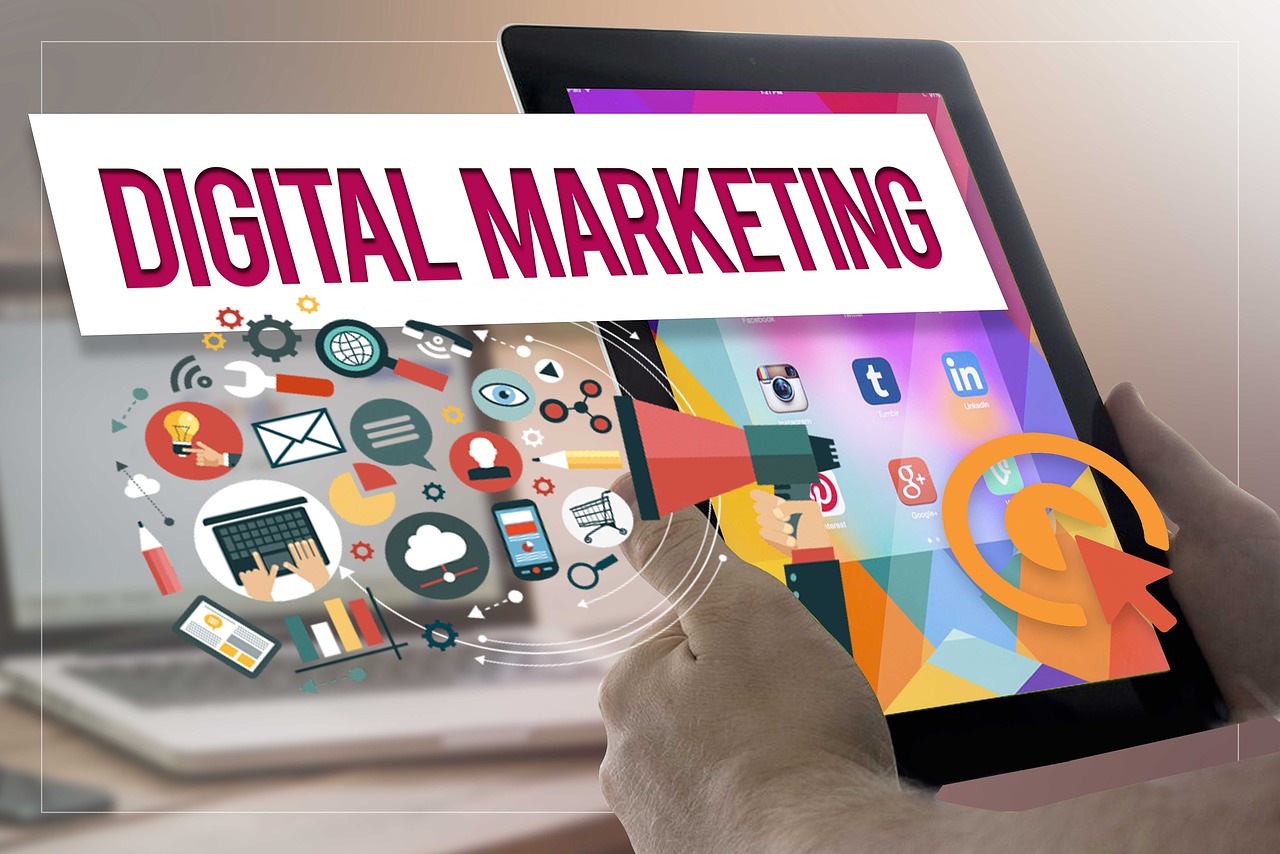
Digital marketing is a new concept. Source: Needpix
What Stage Of Marketing Is The Best?
The best stage of marketing depends on the business type, goals, and relationships with customers. While each of the five concepts offers advantages, the societal marketing concept stands out today. It combines understanding customer needs with ethical practices, ensuring long-term success by focusing on consumer well-being and environmental responsibility.
Businesses that incorporate societal marketing not only satisfy customers but also build a positive brand image. However, the marketing concept is equally important, as it directly addresses solving customer problems, creating a strong foundation for trust and loyalty. Ultimately, the best approach to marketing aligns with sustainable, customer-centric practices.
Conclusion
The evolution of the marketing concept has gone through 5 different stages, from production, sales, and marketing to societal and digital orientation. These developments are companies’ attempts to adapt to the market demand and customer needs.
It’s a long shot to predict whether a new marketing approach will appear in the future. But now, digital marketing has proven its domination. For more help with marketing, don’t hesitate to contact StringeeX!

Share the blog