 Tiếng Việt
  ภาษาไทย


Introduction
Customer Relationship Management (CRM) is important in business as it develops stronger connections with customers. CRM can sort out and get deeper knowledge about customer data for the company.
The actual power of CRM lies in teaching businesses what their customers want and need. This, in turn, helps them offer more personalized services to customers. Dive in to learn more about the significance of CRM.
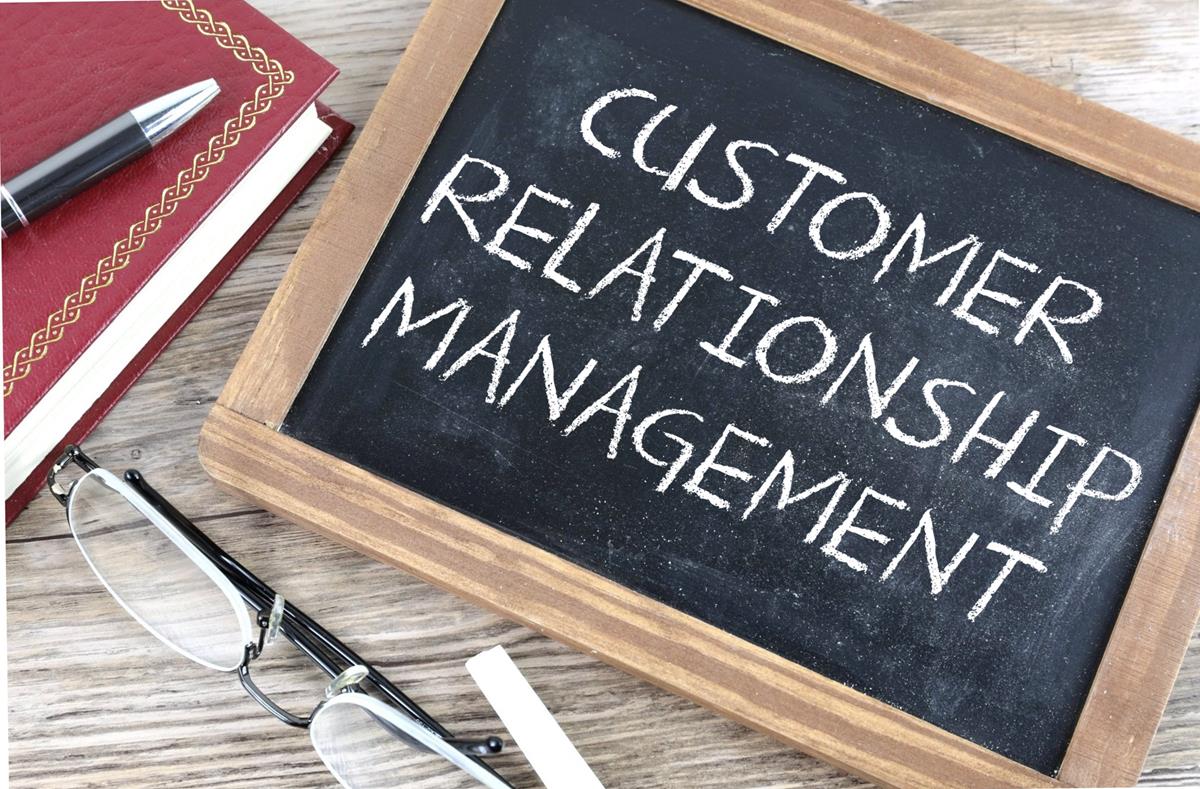
13 significances of CRM systems - Source: Picpedia
13 Significances Of CRM - Customer Relationship Management
Enhanced Customer Insights
CRM software helps a business collect and analyze customer data, giving more insight into what customers need, what they like, and how they behave. With this information, you can tailor your products and services to suit their needs. Because of this, customer satisfaction and loyalty increase.
For example, if you offer wellness programs, CRM can track the participation rate of your employees. It can also indicate which programs are in demand.
Such information will help in designing better programs later on. You can also tailor your messages to really strike a chord with your target audience.
Boosted Customer Engagement
The engaged customer is more likely to be loyal and refer others to your business. CRM will enable you to send focused emails to your customers based on their purchase history.
You might give them a discount for the same product type or even invite them to a loyalty program. With this kind of offer, you keep the chances high that your customers will stay connected with your business.
Operational Efficiency
CRM automates most of the tasks involved in running a business, including data entry, reporting, and reaching out to customers. This saves a lot of time, which the team may utilize in more useful areas.
For example, the CRM software automatically takes care of the registration and payment procedure. That way, your team would have more time for the creation and relation-building process with customers.
CRM automates most of your business’s tasks - Source: The Blue Diamond Gallery
Revenue Growth
CRM enhances revenues through improved understanding, customer engagement, and operational efficiency. Satisfied customers are likely to buy again and recommend others, thus increasing your revenues.
It can track what customers buy through CRM and recommend similar items that might interest them. This increases the chances of additional purchases.
Targeted Marketing Campaigns
Segmentation and targeting are some of the key benefits of CRM. It lets you divide your customers into targeted groups with personalized marketing. You can analyze customer data to find patterns and preferences that create campaigns most suitable for your audience.
For example, CRM might reveal that companies in certain industries tend to become customers. You can then divide your customer base into demographics of similar industries. Then, you may create specific marketing campaigns that address the unique issues and concerns of each demographic.
Exceptional Customer Service
Another advantage with CRM is the great customer service that it offers. You can respond to inquiries a lot faster and solve problems easier. Businesses can also provide customized recommendations and solutions by tracking customer interactions and history.
For example, a customer may call and ask about a wellness program they enrolled in. Through CRM, your customer service representatives will immediately access the customer's account and give a personalized answer to their query.
If you aim for effective customer service for your business, contact StringeeX now!

Data-Driven Strategies
CRM lets you gather and analyze all customer data for the decision-making process in the business.
Ranging from behavior to preferences, history, and customer purchases, it shall help you decipher which products to offer, at what price, and how to market those effectively.
For instance, if there is low involvement with the program, CRM allows you to look at why this might be the case. The marketing isn't effective, or the timing of sessions isn't convenient.
With such type of information, you could make adjustments that would benefit participation and customer satisfaction.
CRM helps you gather and analyze all customer data - Source: Picpedia
Improved Team Collaboration
CRM systems enhance collaboration among teams within your organization. This is achieved by providing every stakeholder in one organization with access to the same customer information. It can break down silos and foster a culture of collaboration.
Your sales department may use CRM to track the interactions with customers and their preferences. By doing this, they can inform and improve the sales pitch and follow-up.
Meanwhile, your marketing team can also leverage this very information to design campaigns going forward that resonate with segments of your customers. And through this sharing of insights and collaboration, you can provide a more cohesive and effective customer experience.
Competitive Differentiation
CRM will give your business an added advantage. You are able to give personalized services, target your marketing efforts, and make strategic decisions based on the facts and figures available to you. This will surely give you an edge over those competitors that have not embraced the full utilization of CRM.
For example, a prospect might be looking at several corporate operators. Your personalization of recommendations may be just what separates you from the others. This could help you gain the upper hand against your competitors in getting the client's business.
Cost Reduction
Cost-effectiveness is one of the main aspects of CRM when it comes to business. Generally speaking, it has helped companies decrease process costs in many ways. For example, it decreases the quantity of paperwork in different processes.
Since the databases are stored digitally, the CRM minimizes manual labor. This shift to digital reduces the number of workers required to accomplish manual tasks. Thus, CRM helps businesses by eliminating unnecessary costs and wasting time.
Increased Productivity
The CRM technique is more effective and enhances business performance than the traditional model. With the data in the digital database, information is available anytime and anywhere.
This accessibility saves time that would otherwise be spent searching for required information. When it's easy to find information, one can make quicker decisions. Therefore, businesses become more productive.
Customer Retention
Retaining customers is one of the biggest challenges to any business. In this competitive market, customers are switching from one product to another more than ever before. CRM helps a business retain its customers and maintain a long-term relationship.
CRM provides valuable information about the market to businesses: what their customers are looking for and what they expect from them. This insight helps a business provide an improved service. When customers are treated well, they tend to be loyal to a particular brand.
CRM maintains a long-term relationship between you and customers - Source: The Blue Diamond Gallery
Positive Brand Image
A good business image is what each company strives to achieve in the market. Such well-reputed companies have a lot of advantages in the marketplace. Most customers will often favor the brands that they can trust. A good image of the company will also attract finances from the market.
The customers play a major role in building an organization's image. The case of satisfied customers and being well-treated will always spread the word. This will lead to a better market image for the company.
How To Implement CRM?
Employing CRM software involves 4 key steps:
- Set your objectives: The first thing you will want to do is decide what you want to accomplish through the use of CRM. The goal can be boosting sales, enhancing customer service, or getting deeper insights into the behavior of your customers.
- Select the most suitable CRM tools: There are many types of CRM systems, each with its own list of features. Choose the best among them that suits your requirements and business objectives.
- Train your team: If your employees don't know how to use a CRM system correctly, you can't make the most out of it. Have everyone be thoroughly trained in the use of the system.
- Monitor, measure, and adjust: After implementing, review the performance of the CRM system. If necessary, refine the processes further with additional training or identify that the current one is deficient and replace it with another system.
Conclusion
CRM systems help companies manage customer relationships and operations. It improves customers' understanding and connects them with customers more effectively while automating business processes. The significance of CRM in a competitive market cannot be highly underestimated, as it is key in driving long-term growth and business success.
If you need more help with CRM, feel free to reach out to StringeeX. We're all ears!

Share the blog